Faculty Spotlights
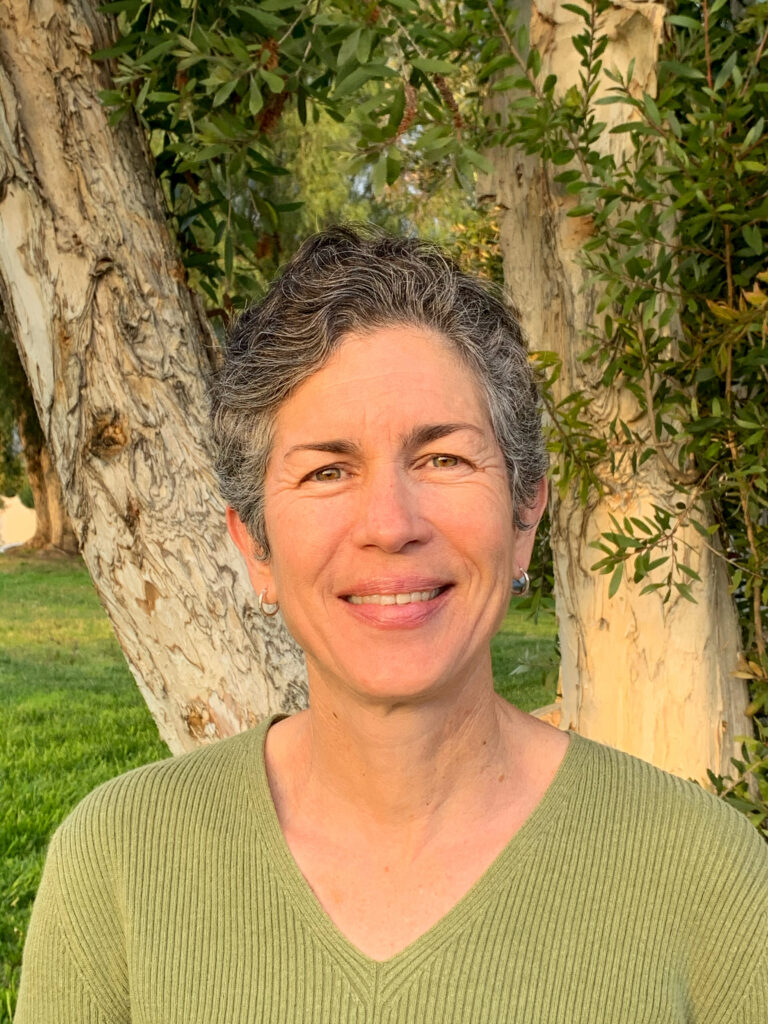
Rebecca Overmyer-Velazquez
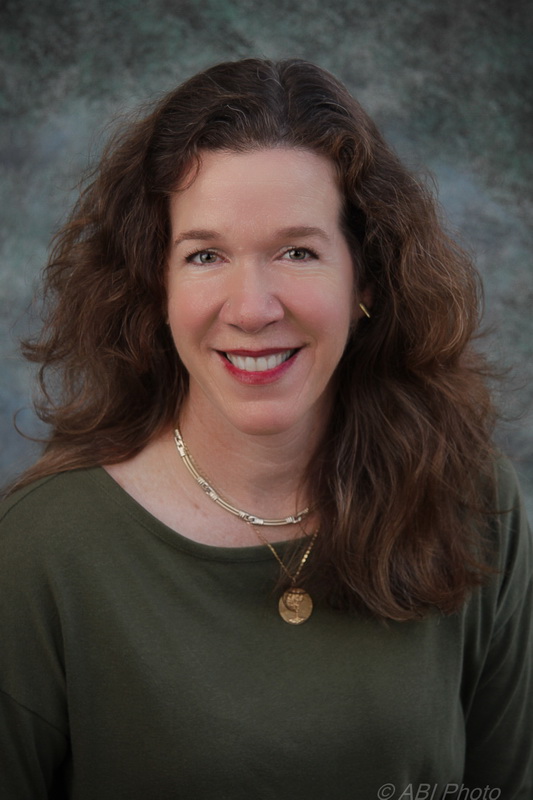
Julie
Collins-Dogrul
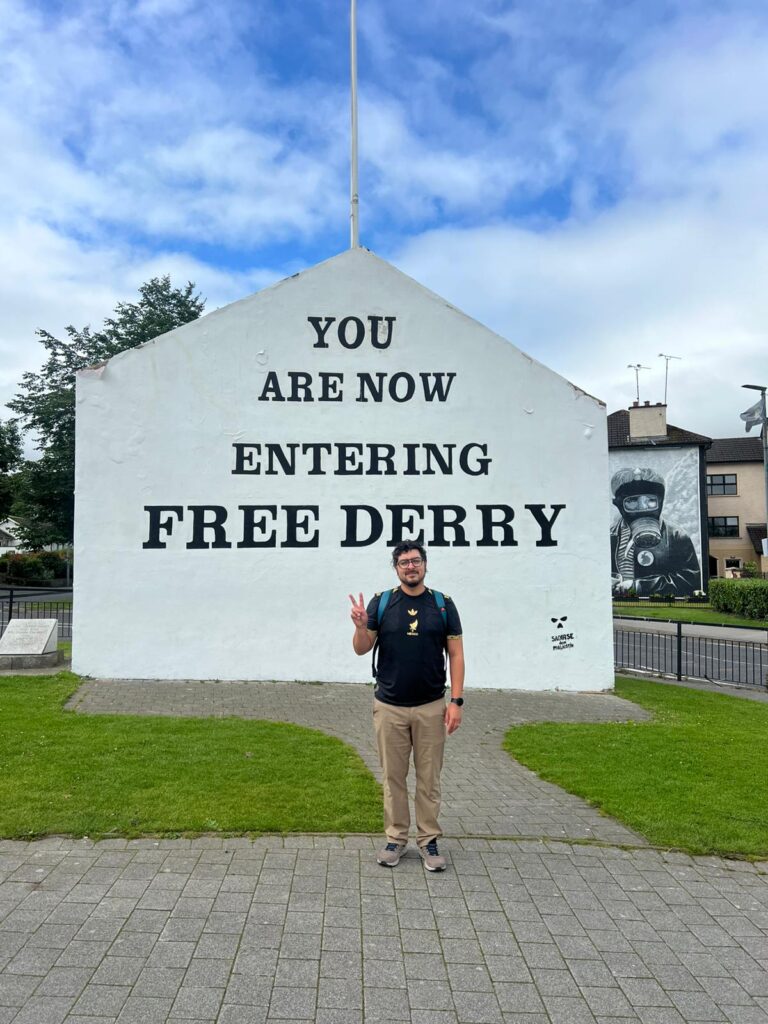
Bernabé
Rodriguez
I teach courses in racial and ethnic relations, urban politics and environmental justice, indigenous peoples social movements, and economic development in the global south. For many years I conducted research on Mexican indigenous peoples social movements and their relationship to the government, with a particular focus on an indigenous peoples organization in the state of Guerrero. This work culminated in my 2010 book, Folkloric Poverty: Neoliberal Multiculturalism in Mexico. My current research focuses on environmental justice and environmental regulation in California. Like my earlier work in Mexico, I am interested in the complicated relationship between community organizations and the state and its agents (elected representatives, agency officials, technical staff) as communities and the state try to work together to protect the environment and public health from industrial polluters. I am a community organizer myself and currently coordinate an all-volunteer environmental justice organization in Los Angeles County.
Professor Julie Collins-Dogrul teaches the sociology of health, migration, work, crime, self and society, global social problems, and research methodology. Julie has published numerous articles in scholarly journals on US-Mexico Border issues, inter-organizational cooperation, transnational governance, sociological pedagogy, and health disparities. She continues to research how the US and Mexico manage shared problems on the border. Julie also leads multiple applied research projects with local community partners, with students in the Approaches to Social Research course. Julie is passionate about serving others. At Whittier, this means working with community partners and helping students build skills that are useful both for future classes and in their lives after graduation. During office hours, Julie loves helping advisees craft and achieve short and long-term plans. If she is not on campus, she is probably tending to her vegetable garden, hanging out with family and friends, or on a local hike. Julie Collins-Dogrul has taught at Whittier College since 2008.
Advice to Current Undergraduates
We asked some of our professors what advice they had for undergraduate students, this is what they said!
Professor Collins-Dogrul
When in doubt, ask. The answer may just be, “yes!” Make specific goals that may sound ridiculous now. One day you’ll look back and realize you’ve achieved them. Rejection and failure are part of success.
Professor Rodriguez
Do what you -want- to do. Don’t do what you think you have to do to “succeed”. Yes, you absolutely deserve a financially secure future. However, if you are not passionate about what you are majoring in or what career you are choosing, you are denying yourself the opportunity for future happiness. Just my two cents.
Professor K
The advice that I have for undergraduates is to form a strong community. A community can be anyone that you respect and trust enough to share your journey with. School is physically, emotionally, and psychologically draining. Not to mention outside responsibilities like work, internships, or political activism. But having a community is important because it feels good to have people in your corner that genuinely care about your well-being and development. I also recommend seeking out professors to be a part of your community. Professors can be provide mentorship and support for students especially for those who are uncertain about what to do after graduation.
Professor Rodriguez
Try everything! Try out what feels right or good for you to see if it’s a path you can take in your future after you graduate. Explore new ideas, get an internship or two, take a study travel course when you can, meet new friends, reach out to your professors to ask them for advice or insight or just to chat about what’s important to you. Create social capital and build your social networks. Enjoy this time of learning about the world and about yourself and make it the foundation for where you go next in life.
Professor Overmyer-Velazquez